Nail Studio

Your path to opening your own nail studio in Switzerland

This guide shows you everything you need to know to open your own nail studio in Switzerland. From qualifications and important hygiene regulations to marketing and client acquisition, we guide you every step of the way.

Opening your own nail studio is one of the most accessible paths to self-employment in the beauty industry. Compared to other fields, you can start relatively quickly, as most cantons don't require a specific permit.

  • Phase 1 (2-4 weeks): Complete or verify training, choose legal structure, register business, register with your municipality.
  • Phase 2 (1-2 months): Register for social insurance, take out insurance, find premises, create hygiene concept, purchase equipment.
  • Phase 3 (2-4 weeks): Set up studio, build marketing, start website and social media, win first clients.
  • Phase 4 (ongoing): Continuing education, follow trends, grow client base.

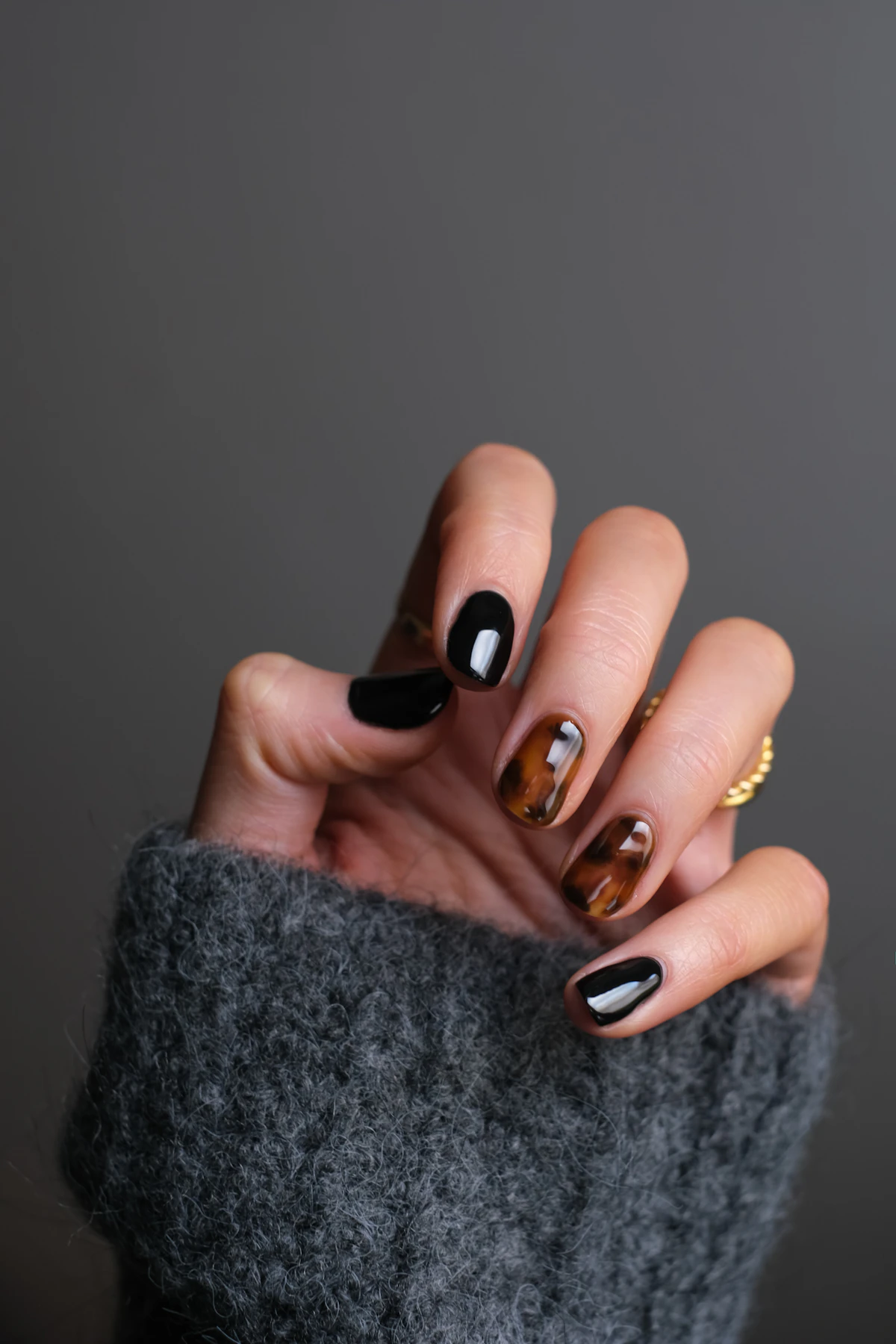
The nail industry is creative and dynamic. With new trends like nail art, gel techniques, and innovative designs, there's always something new to learn. A strong Instagram portfolio can be a decisive success factor.

With good preparation, you can open your studio within 2-3 months and make your dream of self-employment a reality.

In the field of nail design, Switzerland doesn't have a federal certificate (EFZ) as a standalone profession. Nevertheless, there are recognized qualifications and recommended training paths:

Federal Certificate in Nail Design: This is the highest recognized qualification in nail design and is awarded after a professional examination. It confirms comprehensive knowledge in nail techniques, hygiene, and business management.

Private schools: Numerous private schools offer training in nail design. Look for schools that ideally have eduQua certification, which is a quality mark for continuing education institutions in Switzerland. Training duration varies from a few weeks to several months.

Q-Label from Swiss Nail Design: The quality label from swissnaildesign.ch is an industry-specific seal of quality. It signals to your clients that you work according to recognized standards. The SFK (Swiss Professional Association for Cosmetics) also offers relevant certifications.

Permits: In most cantons, you don't need a specific business permit for a nail studio. However, you must register as a business operator with your municipality. Check with your cantonal office for economic affairs to be safe.

Even though you could theoretically work without a diploma, we advise against it. Solid training protects you and your clients from mistakes and gives you the confidence to work professionally.

Choosing your legal structure is an important first step. For a nail studio, there are mainly two options:

Sole proprietorship: Ideal for starting out. You register with the AHV compensation office as self-employed and can start right away. No minimum capital required, simple bookkeeping. You must register in the commercial register once annual revenue exceeds CHF 100,000. Disadvantage: you're liable with your personal assets.

GmbH: Offers limited liability but requires CHF 20,000 share capital and notarial incorporation. Makes sense if you're planning larger investments or want to hire employees.

For most nail studio founders, a sole proprietorship is the best choice to start. You can always switch to a GmbH later if your business grows. Don't forget to register as a business operator with your municipality and apply for your UID number.

As a self-employed person, you're responsible for your own social insurance. You should take care of these obligations early:

AHV/IV/EO (1st pillar): Register with your cantonal compensation office within 90 days of starting your business. Contributions are based on your net income. At the beginning, when revenue is still low, you only pay the minimum contribution of approximately CHF 514 per year.

Occupational pension (2nd pillar): As a self-employed person, you're not required to have BVG insurance. However, you can join voluntarily, which is especially recommended if you want to build good retirement savings long-term.

Private pension (3rd pillar): Definitely use Pillar 3a. Without a 2nd pillar, you can make tax-deductible contributions of up to 20% of your net income (max. CHF 35,280/year). This is one of the best savings options for self-employed people.

Tip: Factor social insurance contributions into your business plan. They make up a significant portion of your fixed costs, especially as your income grows.

In a nail studio, you work with chemicals and skin-penetrating tools, so good insurance coverage is important:

Professional liability insurance: Protects you if your work causes damage. For nail designers, premiums start at approximately CHF 450 per year. Providers like Helvetia, Zurich, and exali.ch offer suitable products. Ensure a coverage amount of at least CHF 3 million.

Typical risks:

  • Allergic reactions to gel, acrylic, or other products
  • Infections from inadequate sterilization
  • Skin irritation or burns from UV lamps
  • Damage from chemical products (e.g., acetone contact with sensitive skin)

Accident insurance: Voluntary for self-employed but strongly recommended. Especially since you work with chemicals and there are injury risks.

Daily sickness allowance: Covers your lost income during illness. Since you don't receive a salary when sick as a self-employed person, this insurance is an important safety net.

Hygiene and workplace safety are of central importance in a nail studio, both for protecting your clients and yourself:

BLV guidelines: The Federal Food Safety and Veterinary Office provides general guidelines for businesses working on the human body. These cover cleaning, disinfection, and sterilization.

Written hygiene plan: You must create a detailed hygiene plan and keep it available for inspection at all times. This documents all cleaning and disinfection procedures, sterilization frequency, and disposal of single-use materials.

Sterilization and disinfection:

  • Autoclave for reusable instruments (files, scissors, nippers)
  • Use single-use files and buffers wherever possible
  • Disinfect all work surfaces between clients

Dust extraction and ventilation: Filing gel and acrylic nails produces fine dust that can be harmful to health. A professional dust extraction system at the workspace is essential. Additionally, ensure good room ventilation, as many nail products contain volatile chemicals.

Personal protective equipment (PPE):

  • Nitrile gloves when working with chemicals
  • FFP2 mask during intensive filing
  • Safety glasses for certain tasks

Chemical safety: Store all chemical products (acetone, primer, monomer liquid) according to their safety data sheets. Keep safety data sheets available for all products used. The VKos (Ordinance on Cosmetic Products) regulates the requirements for the products used.

Good organization is the foundation of your nail studio. Here's how to stay on top of things:

Business account: Open a separate business account to cleanly separate your finances. Compare offerings from Migros Bank, UBS, Raiffeisen, and PostFinance. Look for low fees and possibly an integrated card terminal for client payments.

Invoicing: Even though many clients pay by cash or card, you need a system for invoices and receipts. Bexio, Klara, or Smallinvoice are popular Swiss solutions that combine invoicing and bookkeeping.

Online booking system: A booking tool saves time for you and your clients. Treatwell, Shore, and Salonkee are popular in the beauty industry and offer features like automatic reminders, client management, and analytics.

Bookkeeping: Keep clean books from the start. Collect all receipts, document income and expenses. For a sole proprietorship, a simple income/expense statement suffices, but professional software makes life easier.

Setting up your nail studio requires specific considerations, especially regarding ventilation and workplace safety:

Dust extraction: The most important piece of equipment! Filing gel and acrylic nails produces harmful fine dust. A professional dust extraction system (integrated into the table or as a separate unit) is essential. Budget approximately CHF 300-800 per workstation.

Ventilation: Good room ventilation is mandatory. Many nail products (monomer, acetone, primer) release volatile fumes. A fresh air supply or ventilation system ensures a healthy working environment. Windows for ventilation alone are often not sufficient.

Additional equipment:

  • Professional nail table with integrated extraction (approximately CHF 500-1,500)
  • UV/LED lamps for gel curing (approximately CHF 50-200 each)
  • Autoclave for sterilization (approximately CHF 500-2,000)
  • Electric file (E-file) for nail work (approximately CHF 200-600)
  • Comfortable chairs for you and your clients
  • Good lighting (daylight lamps)

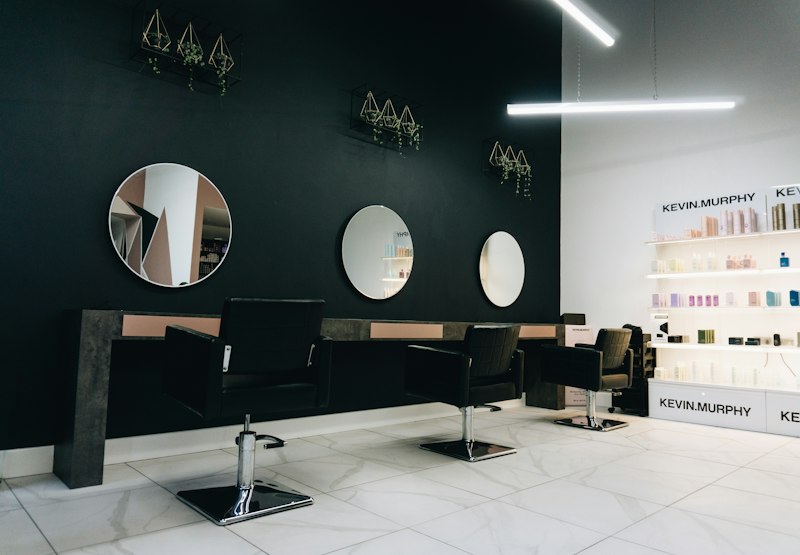
Also think about the atmosphere: Your studio should be clean, modern, and inviting. A thoughtful design sets you apart from the competition and makes your clients feel comfortable.

In nail design, visual marketing is particularly important. Your work is art, and you should showcase it:

Website and branding: A professional website is your digital business card. smedium supports self-employed professionals in the beauty industry with tailored web design, branding, and digital marketing. A consistent appearance, from logo to website to social media profiles, builds recognition.

Instagram: This is THE platform for nail designers. Showcase your best work in high-quality photos and videos. Nail art designs, seasonal trends, and creative techniques generate high reach. Use relevant hashtags like #nailsofinstagram, #nailart, and local tags like #nailstudio[yourcity]. Reels with time-lapses of your work are particularly popular.

Google Business Profile: Create a free profile so you appear in local searches. Upload photos, keep opening hours up to date, and collect Google reviews from satisfied clients.

Platforms: Register on Treatwell, the leading booking portal for beauty services in Switzerland. Google Maps, local.ch, and industry-specific directories also bring you visibility.

Great, you're ready to get started! Here's your checklist for opening your nail studio:

  • Complete or verify training
  • Choose legal structure and register your business
  • Register as a business operator with your municipality
  • Register with AHV as self-employed
  • Take out professional liability insurance
  • Create hygiene concept
  • Find and set up premises (dust extraction!)
  • Open business account
  • Set up online booking system
  • Build Instagram profile and website
  • Win first clients

Start with the most important steps and work through the list. Many items can be done in parallel. And remember: every successful salon started small.

Need a professional website and strong brand presence? smedium specializes in web design and marketing for self-employed professionals in the beauty industry. Get advice and start with a professional presence that perfectly showcases your work.

Free PDF Guide

Get all the information as a clear PDF guide to print and reference.

Need a website, branding, or marketing?

smedium helps self-employed professionals with professional web design, branding, and digital marketing. From idea to finished online presence.

Get in touch