Cosmetics

Your path to opening your own cosmetics studio in Switzerland

This guide shows you step by step how to open your own cosmetics studio in Switzerland. From qualifications and hygiene requirements to winning clients, you will find all the important information for your successful start here.

Opening your own cosmetics studio is an exciting step. The good news: In Switzerland, you can work as a cosmetician even without a federal certificate. However, solid training is strongly recommended to work professionally and safely.

  • Phase 1 (1-2 months): Plan or complete training, choose legal structure, register your business.
  • Phase 2 (2-3 months): Register for social insurance, take out insurance, find and set up premises, create a hygiene concept.
  • Phase 3 (1-2 months): Build marketing and website, set up online booking system, win first clients.
  • Phase 4 (ongoing): Complete continuing education, expand service offerings, grow client base.

The cosmetics industry in Switzerland is diverse and offers many specialization opportunities, from classic facial care and permanent makeup to device-based treatments. Consider early where your strengths lie and which niche you want to occupy.

With good planning and the right steps, you can open your studio within 3-6 months and welcome your first clients.

The cosmetics industry offers various training paths. Here's an overview of the key qualifications:

EFZ Cosmetician: The federal basic training lasts 3 years and is the recognized professional qualification in Switzerland. The EFZ is regulated by SBFI (State Secretariat for Education, Research and Innovation) and provides comprehensive training in all areas of cosmetics.

SFK (Swiss Professional Association for Cosmetics): The SFK offers continuing education and certifications and is an important contact for professionals. SFK membership signals professionalism and quality.

Important to know: In Switzerland, you can generally work as a cosmetician without an EFZ. For non-invasive treatments such as facial cleansing, manicure, or lash lifting, no special permit is required in most cantons. For invasive treatments such as permanent makeup, microneedling, or device-based treatments, the situation is different, especially in the Romandie (French-speaking Switzerland), where a cantonal permit is often required.

Our advice: Invest in solid training, even if it's not legally required. Your clients trust you with their skin, and sound knowledge is the foundation for safe and successful treatments.

To set up your cosmetics studio, you need to choose a legal structure. The two most common options are:

Sole proprietorship (Einzelfirma): The simplest and fastest way. You register with the cantonal compensation office as self-employed and can start right away. Registration in the commercial register is mandatory once annual revenue exceeds CHF 100,000. Bookkeeping is straightforward, and there are no formation costs. The disadvantage: you're liable with your entire personal assets.

GmbH (Limited Liability Company): Offers limited liability but requires share capital of CHF 20,000 and notarial incorporation (costs approximately CHF 2,000-3,000). A GmbH makes sense if you plan to hire employees from the start or if you're planning investments in expensive equipment.

For starting out, we recommend the sole proprietorship. You save on formation costs and can switch to a GmbH later if needed. Use the federal SME Portal for more information on business formation and your obligations as a self-employed person.

As a self-employed cosmetician, you're responsible for your own social insurance. This is an important step you shouldn't postpone:

AHV/IV/EO (1st pillar): Registration with your cantonal compensation office is mandatory. You pay contributions based on your net income. With low income at the beginning, contributions are correspondingly low (minimum contribution approximately CHF 514/year). Register within 90 days of starting your business.

Occupational pension (2nd pillar): As a self-employed person, you're not required to have BVG insurance, but you can join voluntarily. Especially if you were previously employed and have already built up BVG savings, you shouldn't just leave them idle. Check with your professional association or the BVG Substitute Institution.

Private pension (3rd pillar): Use the tax-advantaged Pillar 3a to save for retirement. Without a 2nd pillar, you can contribute up to 20% of your net income (maximum CHF 35,280/year). This is one of the best ways to save on taxes while preparing for retirement.

In the cosmetics industry, good insurance coverage is particularly important because you work directly on your clients' skin. Here are the key insurances:

Professional liability insurance: Essential for every cosmetician. It covers damages that can arise from your treatments, such as allergic reactions to products, skin damage from treatments, or infections. Costs range from approximately CHF 300-800 per year, depending on the provider and coverage. Important insurers include Mobiliar, AXA, Helvetia, Zurich, and Baloise.

Specific risks in the cosmetics industry:

  • Allergic reactions to products or ingredients
  • Skin damage from peels, device-based treatments, or UV exposure
  • Infections from inadequate hygiene during skin-penetrating treatments
  • Burns from waxing or laser treatments

Accident insurance: Not mandatory for self-employed, but strongly recommended. Also consider daily sickness allowance insurance to cover your lost income during illness.

Tip: Get quotes from various providers and pay special attention to the coverage amount and any exclusions. A cheap premium is useless if the insurance coverage isn't sufficient in an emergency.

Hygiene is of central importance in the cosmetics industry. Switzerland has clear regulations you must comply with:

BLV guidelines: The Federal Food Safety and Veterinary Office (BLV) provides guidelines for hygiene in cosmetics businesses. These cover general cleanliness, disinfection, and handling of cosmetic products.

Sterilization and disinfection:

  • All skin-penetrating instruments must be sterilized in an autoclave
  • Single-use instruments (needles, blades, etc.) must be properly disposed of after one use
  • Work surfaces must be disinfected between treatments
  • Towels and sheets must be changed after every client

Written hygiene plan: You must create a detailed hygiene plan documenting all cleaning and disinfection procedures. This must be available for inspection at all times and updated regularly.

VKos (Ordinance on Cosmetic Products): This federal ordinance regulates requirements for cosmetic products in Switzerland. Ensure all products you use meet legal requirements and are correctly labeled.

Be prepared for unannounced inspections by the cantonal chemist. A clean, well-documented hygiene concept is your best protection.

Well-organized administration makes your daily routine easier and allows you to focus on your clients:

Business account: Separate personal and business finances from the start. Good options for self-employed people in Switzerland include Migros Bank (affordable rates), UBS, Raiffeisen, and PostFinance. Compare monthly fees and watch for hidden costs with card payments.

Invoicing: Use professional software for your invoices. Tools like Bexio, Klara, or Smallinvoice offer everything you need and are designed specifically for Swiss SMEs. This ensures all legal requirements are met.

Online booking system: A booking tool is almost indispensable today. Platforms particularly suited for the cosmetics industry include Treatwell, Shore, and Salonkee. They enable 24/7 bookings, automatic reminders, and client management. Many also offer a checkout function and analytics.

Bookkeeping: Keep clean books from the start. As a sole proprietorship, a simple income/expense statement is sufficient. Collect all receipts and organize them monthly. If bookkeeping isn't your strength, invest in an accountant, it pays off in the long run.

Your cosmetics studio should create a feel-good atmosphere while meeting professional standards. Here are the key considerations:

Location: Location is crucial. An easily accessible location with foot traffic (e.g., in a shopping area or near a bus stop) is ideal but also more expensive. Alternatively, you can start with a studio in a quieter area and attract clients through online marketing. Ensure adequate parking or good public transport connections.

Equipment: You need at minimum:

  • Professional treatment chairs or tables (approximately CHF 800-3,000 each)
  • Sterilization equipment (autoclave, approximately CHF 500-2,000)
  • Product storage with appropriate temperature and light protection
  • Skin analysis devices (depending on specialization)
  • Good lighting (daylight lamps for treatments)
  • Reception and waiting area

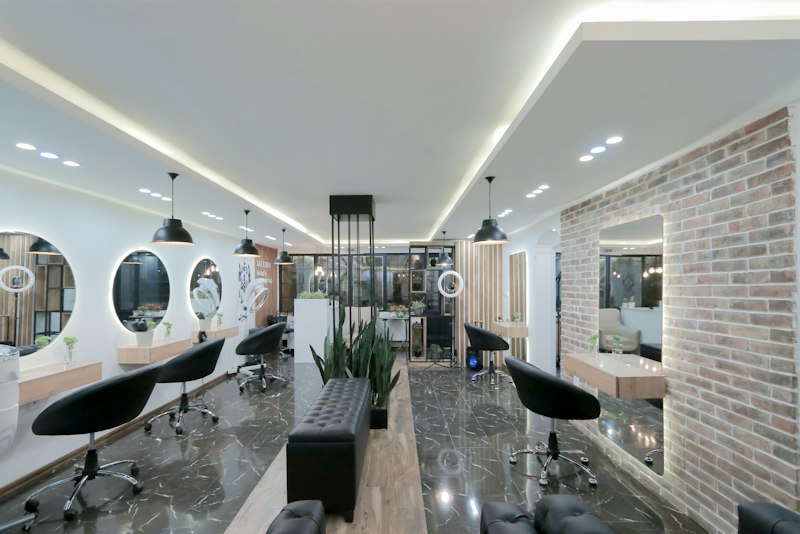
Atmosphere: Invest in pleasant room design. Clean, bright rooms with pleasant colors and subtle decoration build trust. Your studio is your business card, and first impressions count.

In the cosmetics industry, marketing plays a central role. Your clients want to see what you can do before booking an appointment:

Website and branding: Your professional online presence is everything. smedium supports self-employed professionals in the beauty and wellness sector with tailored web design, branding, and digital marketing. A consistent appearance, from logo to website to business card, builds recognition and trust.

Instagram: The most important platform for cosmeticians. Show before-and-after photos (with client consent), share skincare tips, and give insights into your daily work. Instagram Stories and Reels are particularly effective for building a personal connection with your community.

Google Business Profile: Essential for local visibility. Add photos of your studio, your opening hours, and contact details. Encourage satisfied clients to leave a Google review.

Platforms: Register on Treatwell and local.ch. These platforms bring you additional visibility and new clients who are specifically looking for cosmetic treatments in their area.

Congratulations, you're well-informed and ready for the next step! Here's your checklist:

  • Ensure training and qualifications
  • Choose legal structure and register your business
  • Register with AHV as self-employed
  • Take out professional liability insurance
  • Create hygiene concept
  • Find, set up, and get premises approved
  • Open business account and set up bookkeeping
  • Set up online booking system
  • Build website and social media profiles
  • Win first clients

Work through this list step by step. Some items can be done in parallel, while others build on each other. Don't be discouraged if everything isn't perfect right away. Your studio will grow and evolve over time.

Need support with your online presence? smedium is your partner for professional web design, branding, and digital marketing. Specialized in self-employed professionals in the beauty and wellness sector, smedium helps you present yourself professionally from the start.

Free PDF Guide

Get all the information as a clear PDF guide to print and reference.

Need a website, branding, or marketing?

smedium helps self-employed professionals with professional web design, branding, and digital marketing. From idea to finished online presence.

Get in touch